Variety in Food Over Seasons
Published January 2026
Why Dietary Variety Matters
Different foods provide different nutrients. A varied diet naturally ensures broader nutrient coverage. Different plant foods contain different phytonutrients, minerals, and vitamins. Rotating food choices throughout the year supports the consumption of diverse nutrients without requiring detailed nutritional tracking.
Seasonal Eating Patterns
Throughout history and across cultures, eating seasonally has been the natural pattern. In the United Kingdom, this means:
- Spring: Leafy greens, asparagus, peas, new potatoes, rhubarb, artichokes
- Summer: Tomatoes, courgettes, berries, cucumbers, beans, stone fruits, lettuce
- Autumn: Apples, pears, squashes, root vegetables, mushrooms, grapes, plums
- Winter: Cabbage, kale, Brussels sprouts, carrots, parsnips, beets, citrus, stored root vegetables
Traditional Food Rotation
Before modern transportation and year-round supermarkets, food naturally rotated with seasons. This seasonal variation was not a limitation but rather built variety into everyday eating. Different seasons provided different nutrients and supported agricultural systems adapted to local climate and soil.
Cultural food traditions reflect this seasonal eating. British cuisine traditionally emphasized root vegetables, stored grains, preserved foods in winter, and fresh vegetables in summer and autumn. This natural rotation supported both nutritional variety and sustainable local agriculture.
Building Variety Without Complexity
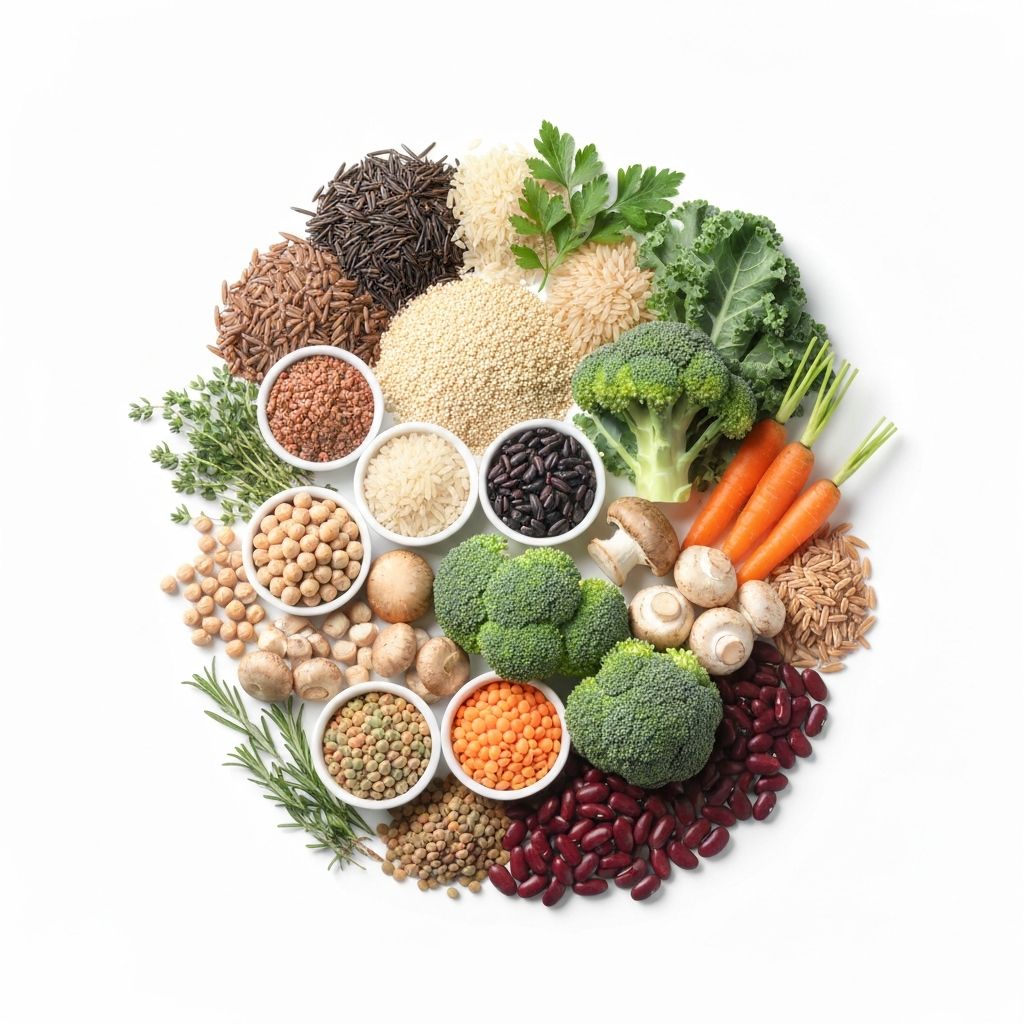
Sustainable dietary variety doesn't require detailed planning. It emerges naturally from:
- Shopping by season: Purchasing what is currently in season and locally available
- Rotating grains: Alternating between rice, oats, barley, wheat, quinoa, and other whole grains throughout the week and seasons
- Varying protein sources: Including legumes (lentils, beans, chickpeas), whole grains with protein, nuts, seeds, and fish or meat if consumed, rotating these throughout the week
- Different colored vegetables: Different colors indicate different phytonutrient profiles; naturally varying colors ensures broader nutrient coverage
- Seed variety: Rotation of seeds—pumpkin, sunflower, sesame, flax—provides different nutrient profiles
Preservation and Storage
Traditional preservation methods enabled seasonal foods to be stored and consumed throughout the year while maintaining nutritional value:
- Frozen vegetables retain most nutrients and allow year-round consumption of seasonal produce
- Dried legumes and grains store for extended periods
- Fermented vegetables support digestive health and extend seasonal produce
- Canning and other traditional preservation methods extended availability of seasonal foods
Practical Implementation
Building seasonal eating into routine:
- Familiarize yourself with what grows in your region in each season
- Plan meals around what is currently in season rather than forcing year-round consumption of specific foods
- Visit farmers' markets or purchase from local sources when possible
- Use frozen seasonal produce when fresh is not available or economically feasible
- Preserve seasonal abundance when available—freezing berries, fermenting vegetables
Beyond Individual Choice
Seasonal eating also supports agricultural sustainability and reduces environmental impact. Consuming seasonal, local foods generally requires less transportation and storage infrastructure than year-round consumption of out-of-season produce from distant locations.
The variety that naturally emerges from seasonal eating supports both individual nutritional health and broader environmental sustainability. This is not a new concept but rather a return to patterns that sustained populations for generations before modern food systems.
Explore More
Continue reading about sustainable nutrition and movement science.
Back to Articles